A civil elopement can be as quiet as signing your marriage documents with two witnesses or as heartfelt as exchanging personal vows in a favorite garden, home, or private venue. When you plan a civil elopement in Winnipeg, the goal is not to make the day smaller. It is to make room for what matters most: your commitment, your comfort, and a ceremony that feels true to you.
For many couples, eloping means less pressure, fewer moving parts, and more freedom to choose the timing and setting that suit their lives. The legal details still deserve careful attention, but they do not have to feel complicated. With the right preparation and a licensed marriage commissioner guiding the ceremony, your day can be both legally recognized and deeply personal.
Start With the Legal Requirements
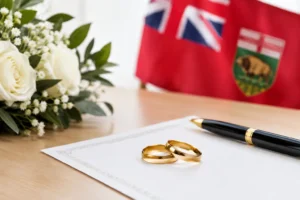
The most important part of a civil elopement is making sure your marriage is legally valid in Manitoba. Before setting a ceremony date, obtain a Manitoba marriage license and arrange for a licensed marriage commissioner to perform the ceremony.
A marriage license is not the same as a marriage certificate. The license is obtained before the ceremony and gives you permission to marry. After the ceremony is completed and registered, you can apply for an official marriage certificate if you need one for name changes, benefits, immigration, or other records.
Requirements can change, and individual circumstances can vary. Give yourselves enough time to ask questions about identification, license timing, witnesses, and any documents that may apply to your situation. If either of you has been married before, is traveling from outside Manitoba, or has a unique documentation concern, address it early rather than leaving it for the week of your ceremony.
Your commissioner can explain what is needed for the ceremony itself and help ensure the paperwork is completed accurately. A professional who is organized and responsive is especially valuable when you are planning an intimate event on a shorter timeline.
Choose the Kind of Civil Elopement You Want
An elopement does not have one fixed look. Some couples want a brief, legal ceremony with only the required people present. Others want a small but meaningful gathering with a few loved ones, photographs, flowers, and a dinner afterward. Both are valid choices.
Start by deciding how you want the moment to feel. Would you prefer a simple appointment-style ceremony, a private exchange of vows, or a small celebration at a location that means something to you? Once you know the feeling you want, the practical choices become easier.
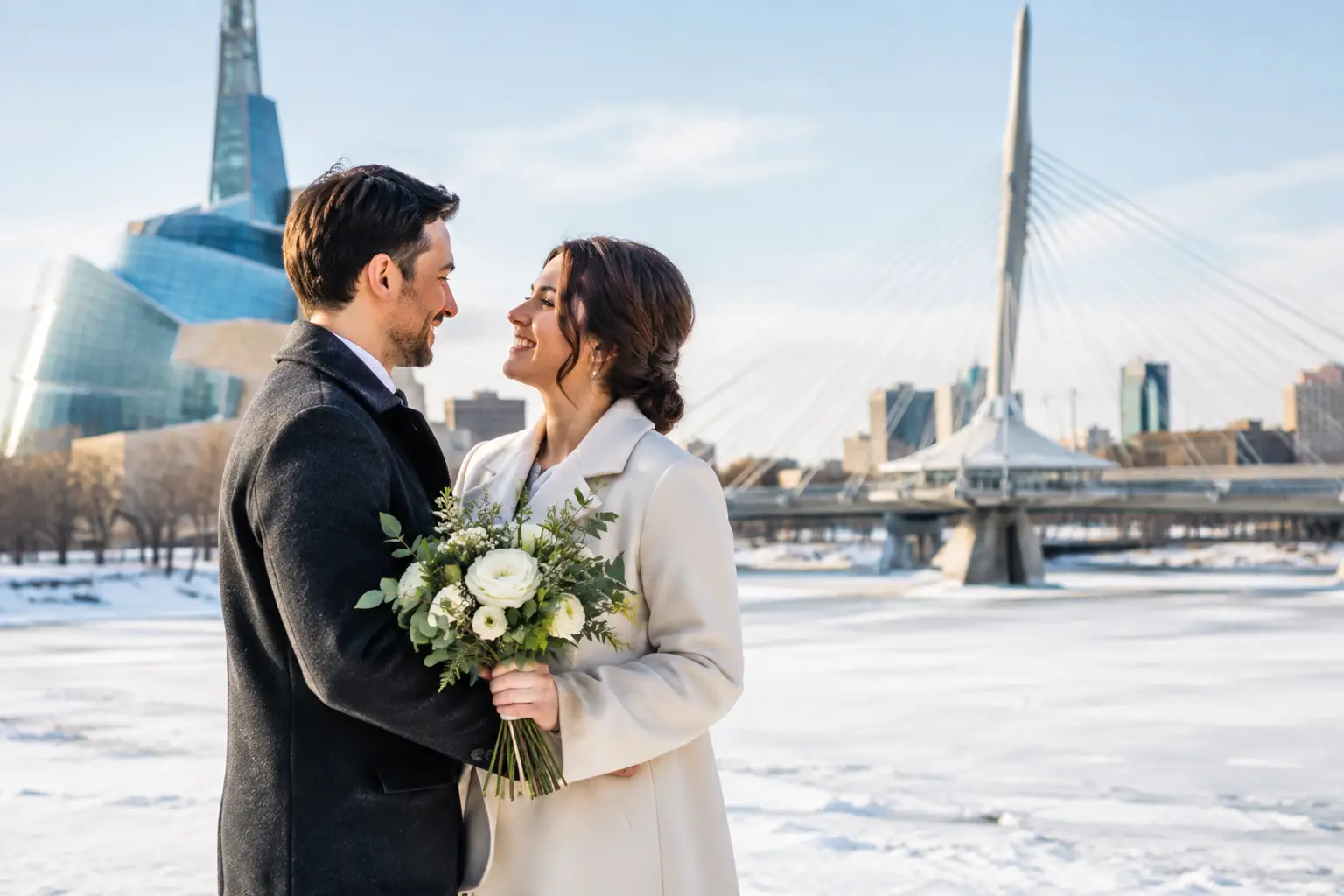
A weekday morning at home may be ideal if privacy and simplicity are your priorities. A sunset ceremony in a local park or at a small event space may feel more special if you want photographs and a few guests. Keep in mind that outdoor locations can bring weather, privacy, access, and permit considerations. A beautiful location is only helpful if everyone can arrive comfortably and the ceremony can proceed without stress.
Mobile commissioner service gives couples flexibility to marry at a location of their choice in Winnipeg or surrounding Manitoba communities. Confirm the address, parking, accessibility, ceremony space, and a weather backup plan before finalizing your plans.
Select Your Date, Location, and Witnesses
Once you have a general vision, choose a date that gives you adequate time to arrange your marriage license and confirm your commissioner’s availability. Same-day or short-notice ceremonies may be possible in some circumstances, but availability and licensing requirements still apply. If your timeline is tight, make your first call early in the process.
For the ceremony, you will need two witnesses who meet the applicable requirements. They can be close friends, family members, or other trusted adults who will be present and prepared to sign the legal documents. Choose people who understand that their role is meaningful and who can arrive on time with the information needed for the paperwork.
If you are keeping your elopement private, the witness question can feel like the only complication. Some couples invite two trusted people and ask them to keep the occasion confidential until they are ready to share the news. Others include their witnesses in a small meal or photo session afterward, giving the day a warm sense of celebration without creating a large event.
Make the Ceremony Personal, Not Complicated
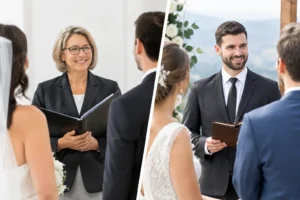
A civil ceremony can be short and still feel personal. The legal words are essential, but there is often room to include elements that reflect your relationship and values. You may choose to exchange rings, share your own vows, include a reading, acknowledge family members, or simply add a few words about the life you are building together.
Personalization works best when it is intentional. You do not need to write a long speech or recreate a full wedding program. A few sincere sentences can carry more meaning than a complicated plan that leaves you feeling rushed.
Consider what you will be glad you included when you look back on the day. It may be private vows, a favorite song before the ceremony, a bouquet from a local florist, or a quiet moment together after the documents are signed. If you have cultural, spiritual, or family traditions that matter to you, discuss them with your commissioner in advance. A civil ceremony must meet legal requirements, while still allowing space for respectful personal touches.
Deepika Aggarwal provides personalized civil ceremonies designed around each couple’s timeline, location, and preferred level of formality. Clear communication before the ceremony helps ensure the experience feels calm, organized, and genuinely yours.
Plan the Details That Protect Your Peace of Mind
Elopements are simpler than large weddings, but a few practical details can make a major difference. Confirm your ceremony time and exact location with everyone involved a few days beforehand. Put your marriage license, identification, rings, and any written vows in one secure place. If you are meeting outdoors, bring a folder or clipboard to protect documents from wind or moisture.
Photography is another choice worth making early. You may want a professional photographer for an hour, a friend who takes a few candid photos, or no camera at all until after the ceremony. There is no wrong answer. The trade-off is simple: professional photographs preserve the moment beautifully, while a camera-free ceremony can feel especially private and present.
Think about what happens immediately after you are married, too. A reservation at a favorite restaurant, a small cake at home, a toast with your witnesses, or a weekend getaway can give the day a natural ending. Your celebration does not need to follow anyone else’s expectations to be memorable.
Questions to Ask Before You Book
Before confirming your commissioner, ask about availability, service area, ceremony options, fees, and what is included. You should also understand what you need to bring, when to obtain your marriage license, how long the ceremony will take, and what happens to the completed marriage paperwork afterward.
Ask whether your chosen venue has any restrictions, particularly if it is a public space, hotel, restaurant, or rental property. Some locations limit guest numbers, photography, amplified music, or ceremony timing. A quick conversation with the venue can prevent an uncomfortable surprise on the day.
Most importantly, choose a commissioner who makes you feel comfortable. Your ceremony may be brief, but it marks a major life commitment. You deserve someone who is punctual, respectful, prepared, and able to guide you through each legal step without making the experience feel impersonal.
Give Yourselves Permission to Keep It Meaningful
A civil elopement is not a lesser version of a wedding. It is a deliberate choice to begin your marriage in a way that fits your relationship. Whether you marry with only two witnesses present or share the moment with a small circle of loved ones, the value of the day comes from the promise you make to one another.
Leave room in the schedule to breathe, take a photo, hold hands, and enjoy the fact that you are married. When the paperwork is handled carefully and the ceremony is shaped with care, a simple Winnipeg elopement can become one of the most personal and memorable days of your life.