
Your ceremony is the moment when the room becomes quiet, you look at each other, and your marriage becomes official. A personalized wedding ceremony planning guide can help you protect that moment from feeling rushed, generic, or overwhelmed by paperwork. For couples in Winnipeg and surrounding Manitoba communities, the goal is simple: create a ceremony that sounds like you while making sure every legal detail is handled properly.
Whether you are planning an elopement with two witnesses, a small family gathering, or a larger celebration, personalization does not have to mean complicated. With clear decisions, the right timeline, and an experienced licensed marriage commissioner, your ceremony can be meaningful, organized, and stress-free.
Start With the Feeling You Want to Create
Before choosing readings, music, or décor, talk about how you want your ceremony to feel. Some couples want a warm and romantic exchange in front of their closest people. Others prefer a short, private civil ceremony that lets them focus on the commitment without a formal production. Neither choice is more meaningful than the other.
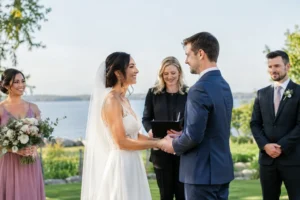
Consider the atmosphere you want when you enter the space. Do you picture a relaxed backyard ceremony, a quiet exchange at home, a restaurant celebration, or vows in a favorite outdoor setting? Your location, guest count, and ceremony length should support that feeling.
It also helps to decide how public you want the personal parts to be. You may wish to share handwritten vows in front of everyone, repeat simple vows after your commissioner, or save private promises for a quiet moment together. A personalized ceremony should reflect your comfort level, not a wedding tradition you feel obligated to follow.
Personalized Wedding Ceremony Planning Guide: Choose What Matters Most
Most ceremonies include a welcome, a statement about marriage, the legal declaration, vows, rings, signing, and a pronouncement. Within that structure, you have room to make thoughtful choices. You do not need to customize every sentence for the ceremony to feel personal.
Start with the pieces that carry the most meaning for you. That may be your vows, an introduction that shares part of your story, a reading from a loved one, or a moment of recognition for family members. If you come from different cultural, religious, or family traditions, you may also choose to acknowledge those traditions in a respectful way while keeping the legal civil ceremony clear.
A good rule is to prioritize two or three meaningful elements rather than adding too much. A ceremony can become less personal when it feels crowded with details that do not genuinely fit the couple. Short and sincere often has more impact than long and formal.
Write Vows That Sound Like You
Personal vows do not need to be poetic to be memorable. The most moving vows usually sound like a real person speaking to the one they love. Begin with a few honest thoughts: what you appreciate about your partner, what you have learned together, and what you want to promise for the future.
Keep the length manageable. Around one to two minutes each is often enough to feel substantial without creating pressure. If speaking personal vows in front of guests feels intimidating, you can exchange standard spoken vows during the ceremony and read your private vows to each other afterward.
It is also wise to agree on the tone in advance. One person may naturally write something humorous while the other prefers deeply emotional words. Both can work beautifully, but a quick conversation helps prevent surprises and keeps the exchange balanced.
Include Loved Ones With Purpose
Inviting family or friends to participate can make a ceremony feel more connected. A loved one might offer a reading, walk with you before the ceremony, hold the rings, or sign as a witness. These roles are especially meaningful when they reflect the relationship rather than simply filling time.
For an intimate wedding, you may decide that guests should simply be present and enjoy the moment. There is no requirement to involve everyone. The best choice depends on your guest count, the setting, and whether you want a calm, private atmosphere or a more interactive celebration.
Handle the Legal Details Early
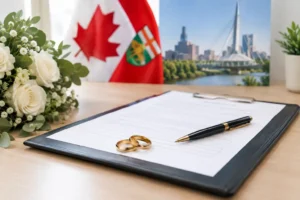
Personalizing your ceremony works best when the legal requirements are organized before the wedding day. In Manitoba, couples need a valid marriage license before a legally recognized civil marriage ceremony can take place. Your commissioner will also need the required information and witnesses for the ceremony and registration process.
Do not leave the marriage license until the final days if you can avoid it. Confirm where to obtain it, what identification is required, and how long it remains valid. If either person has been married before, ask early about any additional documentation that may apply to your situation.
Bring the license and any requested information to your ceremony as instructed. The signing process may feel like a practical detail, but it is the step that supports the legal recognition of your marriage. A dependable commissioner helps make this portion feel calm and orderly, without taking attention away from the celebration itself.
If you are considering a same-day ceremony, flexibility may be possible depending on licensing requirements and availability. However, same-day plans leave less room for changes, so prompt communication and accurate paperwork are especially important.
Build a Timeline That Leaves Room to Be Present
A personalized ceremony does not need a strict minute-by-minute schedule, but it does need enough structure to avoid last-minute confusion. Confirm the ceremony start time, arrival time, location address, parking or building access, who will hold the marriage license, and who your witnesses will be.
For a mobile ceremony, think through the practical details of the venue. Is the location easy for older guests to reach? Is there a quiet area where guests can hear? If you are outdoors, what is the backup plan for rain, wind, extreme heat, or cold? Manitoba weather can change quickly, and a backup space protects your experience without changing its meaning.
Ask your commissioner how much time to allow before the ceremony. A few minutes to meet, review the final details, and settle everyone into place can make the event feel much more relaxed. If you are planning photos, give your photographer and commissioner a clear sense of the order of events so the ceremony flows naturally.
Select a Commissioner Who Understands Both Sides of the Day
Your marriage commissioner has an important dual role. They guide the legal ceremony and paperwork, but they also set the emotional tone for one of the most important moments of your life. Look for someone who is licensed, responsive, punctual, and comfortable tailoring the ceremony to your preferences.
Ask whether they can travel to your chosen venue, how they guide couples through the license and signing requirements, and how much input you can have in the wording. You should feel comfortable asking practical questions. Clear answers are a sign that the process will be well organized.
Deepika Aggarwal works with couples across Winnipeg and surrounding Manitoba communities to create legally recognized ceremonies that feel personal, respectful, and easy to plan. From a private civil ceremony to a celebration with family and friends, direct commissioner-led guidance can remove uncertainty from the process.
Let Go of the Idea That It Must Be Perfect
A meaningful ceremony is not one where every word lands exactly as rehearsed. You may laugh during your vows, pause when emotions rise, or have a child make an unexpected appearance. Those moments are often the ones you remember most.
Focus on what your guests will truly feel: that you chose each other with intention, that the ceremony reflects your relationship, and that the legal commitment was handled with care. When the planning is organized in advance, you can be fully present for the words and people that matter most.
Your wedding ceremony does not need to look like anyone else’s. Give yourselves permission to choose the location, length, wording, and level of formality that make this commitment feel honest. With thoughtful planning and reliable legal guidance, the day can be both beautifully personal and confidently official.