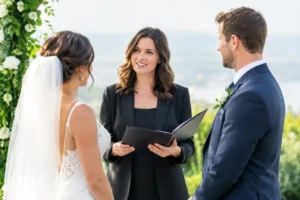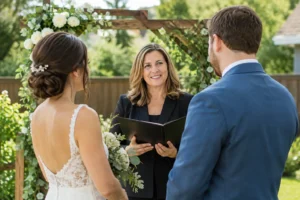
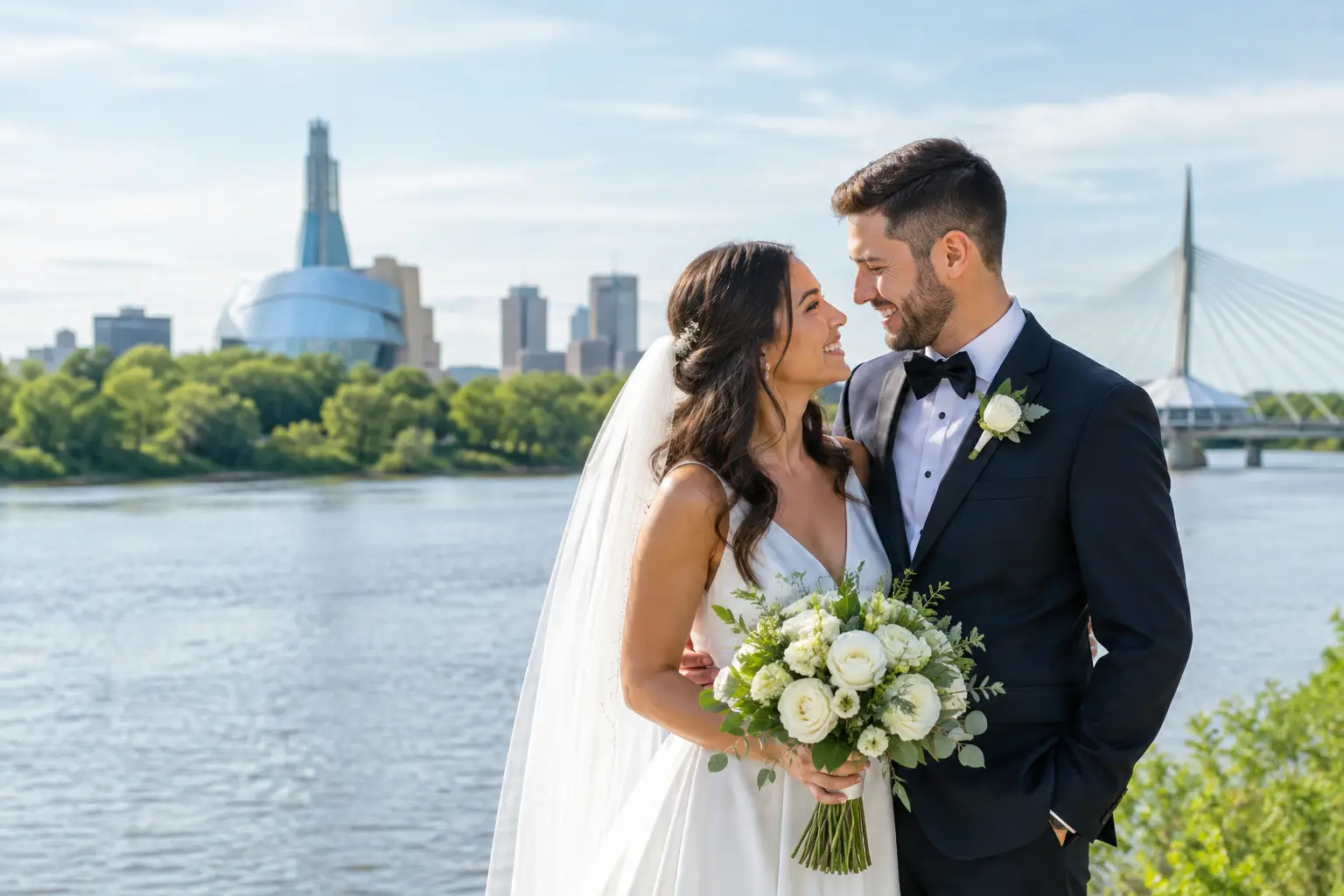
A marriage ceremony can be wonderfully simple without feeling impersonal. To get married in Manitoba – simple, smooth and stress-free – couples need a valid marriage license, a licensed marriage commissioner, two eligible witnesses, and a plan that gives the legal details the care they deserve. From there, the celebration can look exactly as you want it to look: a private signing, a meaningful elopement, or a joyful gathering with everyone you love.
For many couples, the greatest relief comes from having a calm, experienced professional guide the process. When the paperwork, timing, and ceremony flow are organized in advance, you are free to be present for the moment you are making your commitment.
Get Married in Manitoba With Clarity From the Start
The legal side of marriage does not have to be confusing, but it does require attention. A Manitoba marriage license must be obtained before your ceremony from an authorized issuer. Your commissioner performs the legal marriage ceremony, but does not issue the license, so arranging it is an important early step.
Before booking a date, confirm that you and your partner meet Manitoba’s legal eligibility requirements and ask what identification and supporting documents are needed for your particular circumstances. Requirements can differ if either person has been married before, is under the age of majority, or has documents issued outside Canada. Addressing those details early helps prevent last-minute surprises.
A marriage license issued in Manitoba is generally valid for three months. That provides flexibility, but it is still wise to choose your ceremony date before applying so the timing feels comfortable. Keep the original license safe and bring it to the ceremony. A commissioner needs it to legally solemnize your marriage.
You will also need two witnesses who meet the required age and can be present for the ceremony and signing. They can be close friends, relatives, or other trusted people in your life. If you are planning a private ceremony and are unsure who can serve as witnesses, raise that question while arranging your ceremony rather than leaving it until the day.
Choose the Ceremony That Fits Your Life
There is no single right way to get married. Some couples want a brief civil ceremony because they have already planned a larger celebration for another date. Others want a heartfelt ceremony with personal vows, rings, readings, and family gathered around them. Both are meaningful because the commitment is yours.
An intimate elopement can be a beautiful choice when privacy, flexibility, or a short timeline matters most. A larger wedding may need more coordination, especially around arrival times, sound, seating, photography, and the moment when witnesses sign the documents. The legal requirements remain important in either setting, but the experience can be shaped around your comfort level.
Think about what you want to remember. Do you want a quick, respectful legal ceremony? Would you like to exchange personal vows? Are cultural traditions, a special reading, or a family member’s involvement important to you? Sharing these preferences early helps your commissioner prepare a ceremony that feels genuine rather than generic.
A personalized ceremony does not have to be long or elaborate. Even a few thoughtful words about your relationship, a meaningful promise, or a ring exchange can make a small gathering feel deeply personal.
Select a Location That Supports the Day
A mobile marriage commissioner gives you the freedom to choose a location that reflects your story. Your ceremony may take place at home, in a backyard, at a park, in a restaurant, at an event venue, or in another setting in Winnipeg or a surrounding Manitoba community. The best location is not necessarily the most elaborate one. It is the place where you can comfortably focus on one another.
Practical details matter, especially for outdoor ceremonies. Consider weather, parking, accessibility, noise, privacy, and a backup plan. If the ceremony is taking place in a public space, check whether permits or reservations are required. A beautiful setting is helpful, but a clear plan is what keeps the experience relaxed.
For ceremonies at home or in a small private space, designate a bright, uncluttered area for the vows and signing. Your photographer will appreciate the natural light, and your witnesses will need room to stand nearby. Small details like chairs for older guests, a table for documents, and a quiet moment before the ceremony can make a real difference.
Plan the Timing With Room to Breathe
A stress-free wedding day is rarely about packing in more activities. It is about allowing enough time for the pieces that matter. Whether you are planning months ahead or hoping to marry soon, begin with availability, your license timeline, and the location.
Same-day or short-notice ceremonies may be possible when the legal requirements have been met and a commissioner is available. However, availability can change quickly, particularly on weekends and popular dates. If you have a specific date, time, or venue in mind, booking early gives you more choice and more peace of mind.
On the day of the ceremony, aim to have everyone arrive a little early. Have the marriage license, rings if you are exchanging them, and photo identification if requested ready in one place. Let your witnesses know they will be asked to sign legal documents. This simple preparation keeps the ceremony from being interrupted by a search for paperwork or a missing guest.
It also helps to decide in advance when photographs will happen. Some couples prefer photos before the ceremony so they can move directly into signing and celebrating afterward. Others want to preserve the first look for the aisle. There is no wrong answer, but a shared plan helps everyone feel settled.
What a Dependable Commissioner Brings to Your Ceremony
A licensed marriage commissioner does more than arrive to recite words and collect signatures. The right commissioner brings legal authority, clear communication, punctuality, and a steady presence. They help ensure the ceremony is legally recognized while making room for the personality and values of the couple standing before them.
That combination matters when emotions are high. You should not have to worry about what happens next, whether the documents are completed correctly, or how to handle a small change in plans. A prepared commissioner can guide the ceremony at a comfortable pace, explain the signing process, and help the formal moments feel natural.
With Deepika Aggarwal, couples can choose a civil ceremony, an intimate elopement, or a personalized wedding ceremony at a location that works for them. The focus is always on respectful guidance, accurate paperwork, and a warm experience that honors the significance of your marriage.
Make the Day Feel Like Yours
It is easy to get caught up in what a wedding is supposed to be. The guest list, decorations, timeline, and traditions can all carry expectations. Yet the heart of the day is much simpler: two people choosing a life together in the presence of the people who matter to them.
Keep the elements that feel meaningful and let go of the rest. If a quiet ceremony with two witnesses feels right, it is enough. If you want your children, parents, friends, music, and personal vows woven into the moment, that is enough too. A legal marriage ceremony can be organized and efficient while still leaving room for laughter, happy tears, and the promises you will carry forward.
When you are ready to set a date, gather your license information, think about the kind of ceremony you want, and reach out to reserve a commissioner who will treat your day with care. The paperwork may make the marriage legal, but the way you feel when you say your vows is what makes the moment unforgettable.