For many couples, searching for a desi marriage commissioner is about more than finding someone authorized to sign documents. It is about finding a calm, respectful professional who understands that a legal ceremony can sit alongside family expectations, cultural traditions, faith practices, and a very personal vision for the day. Whether you are planning a quiet signing with witnesses or a celebration surrounded by loved ones, the right commissioner helps the legal process feel clear, personal, and genuinely meaningful.
In Winnipeg and surrounding Manitoba communities, a licensed marriage commissioner can perform a legally recognized civil marriage ceremony while giving you the flexibility to shape the moment around your relationship. The best experience is organized behind the scenes and warm in front of the people who matter most.
What a Desi Marriage Commissioner Can Offer
“Desi” is a broad and personal term. It may reflect South Asian heritage, family connections, language, food, music, religious traditions, or simply the way a couple wants their celebration to feel. No two couples use it in exactly the same way. A thoughtful commissioner will never assume what customs you want included or what your family expects.
Instead, they begin by listening. You may want a brief civil ceremony before a larger wedding celebration. You may be combining legal vows with a cultural or religious event on the same day. You may want a private elopement that feels simple and intimate, without losing its significance. A commissioner-led civil ceremony can be tailored to each of these situations while keeping the legal requirements in focus.
This balance matters. Your ceremony must meet Manitoba’s legal requirements, but it should not sound like it was written for strangers. With the right planning, the required legal elements can fit naturally within a ceremony that reflects your story, your values, and the level of formality that feels right to you.
Start With the Legal Marriage Requirements
A marriage commissioner is there to guide the ceremony, but couples are responsible for obtaining a valid Manitoba marriage license before the wedding. This is often the first question couples have, particularly when they are arranging a ceremony quickly or coordinating plans with relatives traveling from out of town.
A licensed commissioner can explain what to prepare, what information is needed for the ceremony, and how the paperwork will be completed afterward. Clear guidance helps prevent small administrative details from becoming last-minute stress. It also gives you confidence that your marriage will be legally recognized.
Timing is especially important if you hope to marry on short notice. Same-day wedding ceremonies may be possible depending on license requirements and commissioner availability, but they should never be assumed. Contacting a commissioner early gives you the widest choice of times and locations. If your plans are already moving quickly, a direct conversation can help you understand what is realistic and what needs to happen next.
A civil ceremony and cultural celebration can complement each other
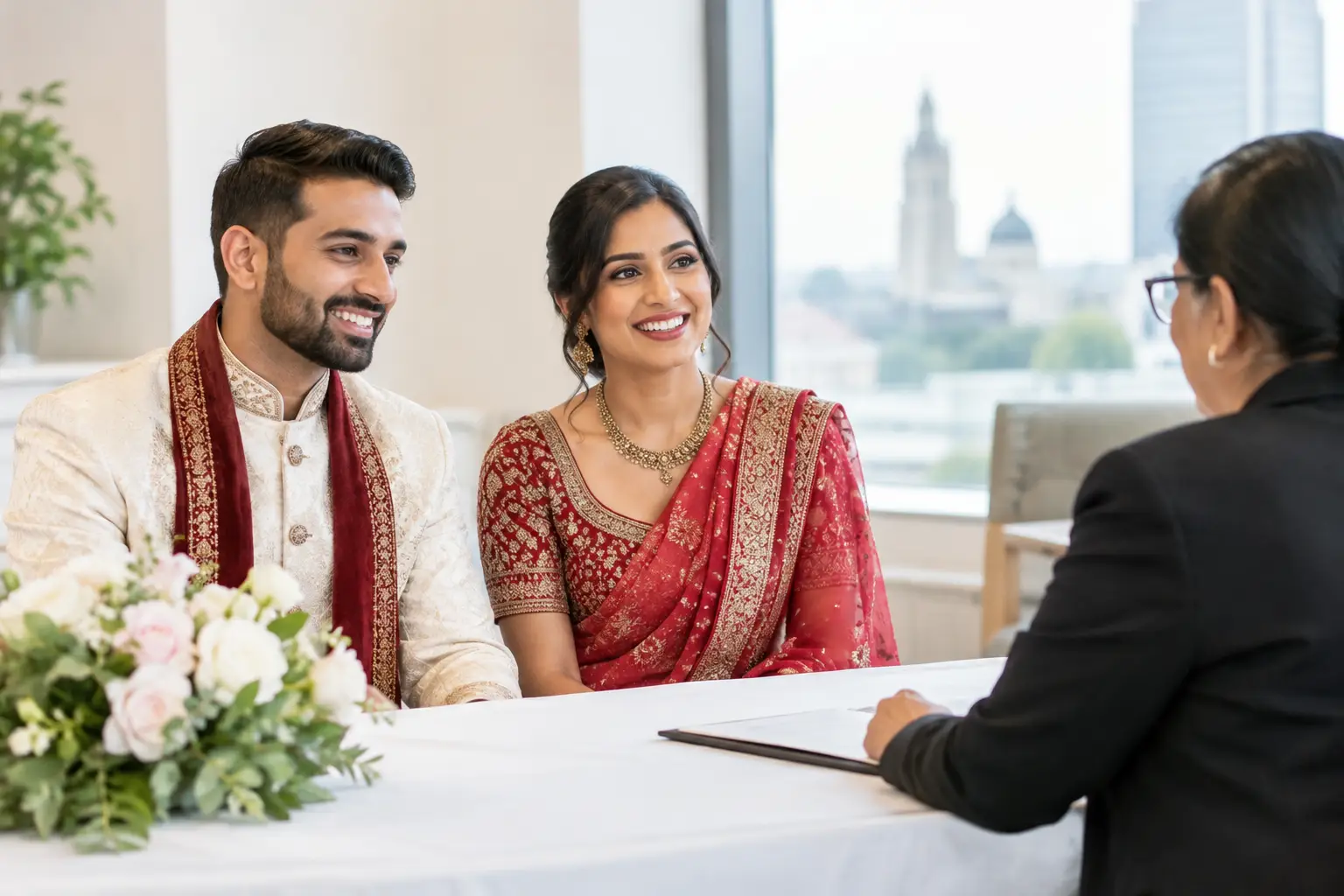
Some couples worry that choosing a civil ceremony means giving up the traditions that matter to them. In practice, the legal ceremony and a cultural or religious celebration can work beautifully together. The civil portion may happen privately, before guests arrive, during a wedding gathering, or on a separate date that works best for your timeline.
The key is clarity. A marriage commissioner performs the legal civil ceremony and cannot replace a religious officiant where a faith-specific rite is desired. However, your commissioner can work respectfully within the flow of your day, allowing space for family blessings, meaningful readings, personal vows, rings, or other non-legal moments you wish to include. Discuss your plans in advance so everyone understands the order of events and the commissioner can keep the legal portion clear and dignified.
Choose the Ceremony Style That Fits Your Day
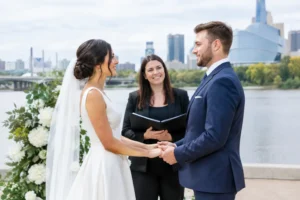
There is no single right way to get married. Some couples want a simple ceremony with only the required people present. Others want a personalized wedding at home, in a restaurant, at a park, or in a venue filled with family and friends. A mobile marriage commissioner gives you more freedom to choose a setting that feels comfortable and true to your relationship.
An intimate elopement can be ideal when privacy, simplicity, or a flexible date matters most. It allows couples to focus on the commitment itself, without the pressure of a larger event. A small civil ceremony can also be a practical choice for couples who plan a bigger reception or traditional celebration later.
For a larger wedding, personalization becomes especially valuable. You may prefer a warm welcome, a short reflection on partnership, vows you have written together, or a ceremony that remains brief so the rest of the celebration stays on schedule. There is a trade-off to consider: more personalized elements create a fuller experience, while a concise format can reduce nerves and help keep a busy event moving. Neither choice is better. It depends on what feels most like you.
Questions to Ask Before You Book
Before choosing a desi marriage commissioner, ask how they handle both the legal and personal sides of the ceremony. You should feel comfortable asking practical questions about availability, travel to your chosen location, witness arrangements, ceremony length, and the marriage license process.
It is equally helpful to ask how personalization works. Can you share your story? Can you write your own vows? Is there room for a reading or a family acknowledgment? Will the commissioner explain the ceremony flow in advance? A dependable officiant welcomes these conversations because good planning creates a relaxed experience on the day itself.
Also ask what happens after the ceremony. Couples should understand how the completed paperwork is handled and what to expect next. When the administrative process is explained clearly, you can be present for the emotional moment rather than wondering whether an important detail has been missed.
Why Direct Commissioner Support Makes a Difference
A wedding can involve many vendors, opinions, and changing plans. Your marriage commissioner has one central responsibility: helping you complete a legally valid marriage ceremony with care. Direct communication with the person who will actually officiate can make the entire process feel more reassuring.
With Deepika Aggarwal, couples receive commissioner-led guidance from the first conversation through the ceremony itself. That personal connection is especially helpful for couples balancing work schedules, family travel, venue logistics, and a short planning window. You are not simply booking a time slot. You are working with someone who can explain the process, confirm the details, and arrive prepared.
Punctuality and organization are part of the care you deserve. A commissioner should know the plan, bring the required materials, communicate clearly, and create a composed presence at the ceremony. When those details are handled well, the moment feels easier for everyone – including parents, witnesses, and guests who may be unfamiliar with a civil marriage ceremony.
Make Space for What Matters Most
The legal words spoken at a wedding may be brief, but the commitment behind them is not. Your ceremony can honor that commitment without becoming complicated. Start with the essentials: secure your marriage license, choose a licensed commissioner, decide where and when you want to marry, and talk openly about what you want the ceremony to feel like.
Then leave room for the human parts. A pause before your vows. A parent’s smile. A small gathering at home. A joyful photograph after the documents are signed. The right commissioner helps protect that space by making the legal process feel organized, respectful, and calm.
Your marriage ceremony does not need to follow anyone else’s script. It simply needs to be legally sound, thoughtfully planned, and true to the two people making the promise.