A wedding ceremony can be brief without feeling rushed, and personal without becoming complicated. A personalized wedding ceremony Winnipeg couples remember is usually built from a few meaningful choices: the words you share, the people beside you, the setting that feels right, and a licensed commissioner who keeps the legal details organized.
For some couples, that means a quiet weekday ceremony with two witnesses. For others, it means standing in front of family and friends at a favorite Winnipeg venue, backyard, restaurant, park, or private home. There is no single right level of formality. What matters is that the ceremony reflects your relationship while meeting Manitoba’s legal requirements with care.
What Makes a Wedding Ceremony Feel Personal?
Personalization is not about adding more to the schedule. It is about choosing what deserves a place in the moment you become legally married. The best ceremonies feel natural because they sound like the couple, respect their comfort level, and leave space for the emotion of the day.
You may want a warm, traditional ceremony with familiar promises and rings. You may prefer something modern and simple, with a short welcome and a few heartfelt words about your story. Some couples choose to write private vows, while others feel more at ease repeating vows provided by their commissioner. Both approaches can be meaningful.
A personalized ceremony can also honor the people and traditions that matter to you. You might include a reading from a family member, acknowledge loved ones who cannot be present, or recognize cultural traditions in a respectful way. The legal portion of the marriage must be completed correctly, but the surrounding ceremony can be shaped around your preferences.
The goal is not to perform for your guests. It is to create a moment that feels true to the commitment you are making.
Start With the Legal Foundation
Before choosing readings, music, or a ceremony location, make sure the legal side is understood. In Manitoba, couples need a valid marriage license before a legally recognized civil marriage ceremony can take place. Your commissioner can explain the practical steps, timing, and paperwork expectations so there are no last-minute surprises.
A marriage license is not the same as a marriage certificate. The license is obtained before the ceremony, while the completed marriage registration is handled after the legal ceremony. Couples often feel relieved when they know exactly what they need to bring, who needs to be present, and how the signing process will work.
This is one reason it helps to work with an experienced licensed marriage commissioner. A beautiful ceremony should not come with uncertainty about documents, signatures, or timing. Clear guidance lets you focus on each other instead of worrying about whether an important detail has been missed.
If you are planning on a short timeline, ask about availability as early as possible. Same-day or short-notice ceremonies may be possible depending on licensing requirements and scheduling, but they still need the same careful legal preparation as a larger wedding.
Choose the Right Style for Your Day
A personalized wedding ceremony does not need to follow a standard wedding template. Start by thinking about how you want to feel when the ceremony begins. Calm? Celebratory? Private? Surrounded by people you love? Your answer can help determine the right format.
Intimate and private ceremonies
An elopement or small civil ceremony can be deeply meaningful. With only the required people present, couples often have more freedom to slow down, speak honestly, and enjoy the quiet importance of the occasion. This is a good fit if you prefer privacy, are planning a marriage before a later celebration, or simply want a low-stress experience.
A smaller ceremony is not less significant because it has fewer guests. In many cases, it gives couples more room to be fully present.
Family-centered weddings
If your wedding includes children, parents, grandparents, or a close circle of friends, the ceremony can acknowledge those relationships without becoming overly formal. A brief welcome, a family reading, or a thoughtful recognition can help loved ones feel included.
Keep in mind that involving others does add coordination. Someone may need to cue a reading, hold rings, or ensure witnesses are ready at the right time. A clear ceremony plan makes these moments feel smooth rather than staged.
Larger celebrations
For a larger wedding, a personalized ceremony provides structure to a busy day. Guests appreciate knowing when to gather, where to stand, and what to expect. Your commissioner can guide the flow, speak clearly, and keep the legal portion moving so the celebration stays on schedule.
With a larger guest count, simple personalization often works best. A sincere opening, meaningful vows, and a warm closing can have more impact than trying to include every possible ritual or story.
Make the Ceremony Sound Like You
The words spoken during your ceremony matter, but they do not have to be elaborate. Couples sometimes worry that personal vows must be poetic or lengthy. They do not. A few honest sentences can say more than a page of polished language.
If writing your own vows feels right, consider including a promise, a memory, and a hope for the future. You might promise to be patient during difficult seasons, to protect time for laughter, or to keep choosing one another in the everyday moments. The most memorable vows are specific enough to feel real.
If speaking personal vows in front of guests feels uncomfortable, you have options. You can repeat vows, share private letters before the ceremony, or keep the public wording short and meaningful. There is no need to choose an approach that creates anxiety just because it is popular online.
The same balance applies to ceremony length. A short ceremony can be warm and complete. A longer ceremony may suit couples who want readings, cultural elements, or more storytelling. It depends on your guests, your venue schedule, and your own comfort. A good commissioner will help you find the right pace rather than pushing you toward a one-size-fits-all script.
Let Your Winnipeg Location Support the Moment
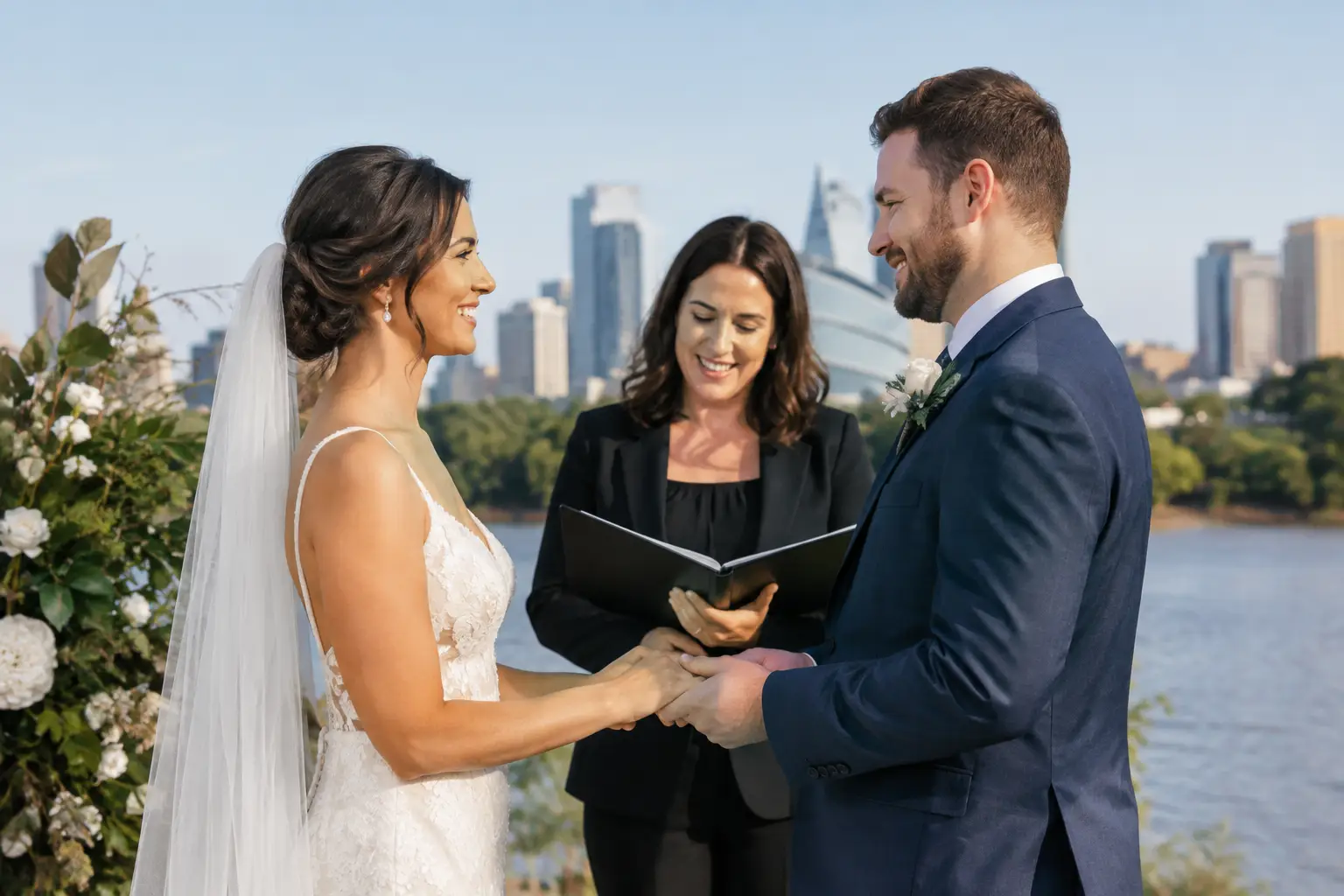
Your ceremony location does not need to be a traditional wedding venue. Mobile commissioner services give couples flexibility to marry in a place that fits their plans, whether that is a home, event space, restaurant, outdoor location, or another meaningful setting in Winnipeg and surrounding Manitoba communities.
The practical details still matter. Outdoor ceremonies need a weather backup plan. Public spaces may require permits or have restrictions. Restaurants and private venues need a quiet area where guests can hear the ceremony. If you are marrying at home, think about seating, lighting, parking, and a clear space for the couple, witnesses, and commissioner.
A location should make the day easier, not add unnecessary pressure. Sometimes the most personal choice is also the simplest one: a place where you already feel comfortable and can be fully present.
Plan the Small Details That Keep Things Stress-Free
A ceremony becomes calmer when everyone knows their role. Confirm the start time, arrival time, exact address, parking instructions, and who will hold the marriage license and rings. Make sure your witnesses understand they must be present for the legal signing and are available through the end of the ceremony.
If you are using music, decide who will start and stop it. If someone is giving a reading, send it to them in advance and encourage them to bring a printed copy. If there is a photographer, let them know where they can stand without blocking guests or interrupting the legal portion.
These details may seem small, but they protect the feeling of the day. When the logistics are handled, you can listen to the words, hold hands, and take in the people who came to support you.
Deepika Aggarwal offers commissioner-led support for couples who want their legal marriage ceremony to feel organized, personal, and genuinely memorable. Whether you are planning an intimate elopement or a celebration with a full guest list, early communication makes it easier to create a ceremony that suits your timeline and vision.
Your wedding ceremony does not need to look like anyone else’s. Choose the words, setting, and level of celebration that feel right for both of you, then let the moment be simple: a clear legal commitment, shared with intention, and remembered with joy.